


Table of Contents
Introduction — Calm, Simple & Real! 💬
If you’re searching for gentle, proven ways to soothe a racing heart, this guide of yoga asanas to lower high blood pressure is written for you. Packed with clear steps, calming pranayama, and everyday lifestyle tips, it’s an easy-to-follow road map to reduce stress and support healthy blood pressure naturally. 🔹
High blood pressure (hypertension) responds powerfully to breath, relaxation and gentle movement. These yoga asanas to lower high blood pressure focus on calming the nervous system, improving circulation, and reducing stress hormones — all without extreme exertion. (Always check with your doctor before starting.) ✔️
Why yoga helps high blood pressure — quick science, simple words: 🧠➡️💖
Yoga blends slow movement, deep breathing and mindful relaxation. That trio reduces the “fight or flight” stress response that often drives blood pressure up. When you practice yoga asanas to lower high blood pressure, you train your body to relax more easily — which lowers heart rate, eases blood vessel tension, and calms anxiety. ✔️
These poses are not about burning calories fast — they’re restorative. The consistent practice of simple yoga asanas for hypertension and stress relief helps balance the autonomic nervous system and brings measurable benefits when done regularly and safely. 🔁
Safety first — Important cautions: ⚠️
- If your blood pressure is very high or unstable, talk to your doctor before trying these yoga asanas to lower high blood pressure.
- Avoid forceful inversions (like headstand) unless cleared by a clinician.
- Stop if you feel dizzy, chest pain, or severe shortness of breath.
- Move slowly and use props (bolster, blocks, wall) for support. 🛟
The 5 Gentle Yoga Asanas to Lower High Blood Pressure (Step-by-step): 🧘♂️🔽
Each pose below includes short steps, recommended pranayama pairing, and benefits. Practice 20–30 minutes daily or alternate poses across days. Remember: gentle, consistent practice of daily yoga routine to lower blood pressure at home matters more than intensity.
1) Viparita Karani — Legs-Up-The-Wall Pose: 🙌🧱
Why it helps: This restorative inversion improves venous return, calms the nervous system, reduces swelling in the legs, and promotes relaxation — an excellent choice among beginner-friendly yoga postures for high BP patients.
How to do it — steps:

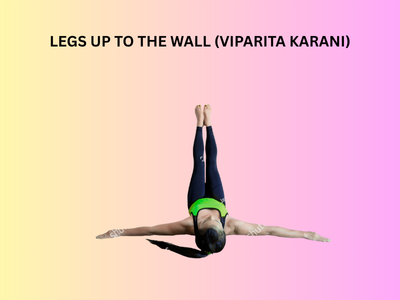
- Sit sideways next to a wall with one hip almost touching the wall.
- Gently swing your legs up the wall as you lie back, so your buttocks are close to the wall.
- Let arms rest by your sides, palms up or on your belly.
- Breathe slowly for 5–10 minutes, keeping your neck neutral. Use a folded blanket under the hips for comfort if needed.
- Pranayama pairing: Practice slow Dirga (three-part) breath: inhale deeply into belly → ribs → chest; exhale fully. 6–8 rounds. This enhances the calming effect of Viparita Karani and helps with yoga therapy for hypertension.
Benefits: Reduces sympathetic tone, soothes anxiety, aids circulation and supports restful sleep. ✔️
2) Balasana — Child’s Pose: 🌿🧸
Why it helps: Balasana invites immediate calm. It signals rest to the nervous system and reduces tension in the back and shoulders — great for people practicing natural ways to manage hypertension through yoga practice.
How to do it — steps:
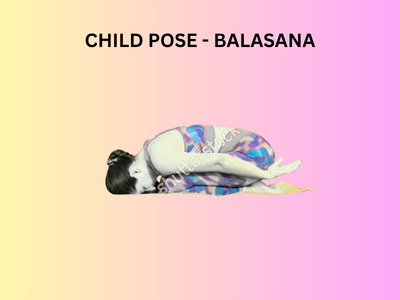
- Kneel on the floor, big toes touching, knees hip-width or wider.
- Sit back on your heels and bow forward, bringing forehead to the mat.
- Extend arms forward or rest them by your sides.
- Breathe gently for 1–5 minutes, softening with each exhale.
Pranayama pairing: 5 rounds of Bhramari (bee breath) — inhale deeply, exhale with a soft humming sound. This lowers stress and complements Balasana in yoga exercises to keep blood pressure under control.
Benefits: Immediate relaxation, reduces cortisol and eases stress-related muscle tension.
3) Supta Baddha Konasana — Reclined Bound Angle Pose: 🦋💤
Why it helps: A deeply relaxing hip opener that soothes the heart and nervous system. This is one of the top restorative and science-backed yoga poses for blood pressure management.
How to do it — steps:
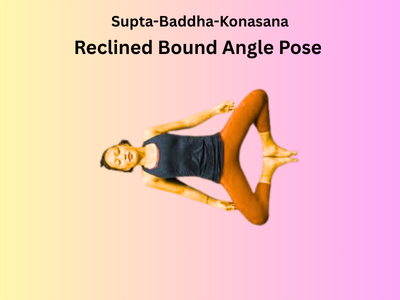
- Lie on your back and bring the soles of your feet together, knees wide.
- Place a bolster or blanket under your spine for support, and blocks under each knee if needed.
- Rest arms on the belly or open at sides. Close your eyes and breathe slowly for 5–10 minutes.
Pranayama pairing: Practice Anulom Vilom (alternate nostril breathing) for 5–7 minutes before the pose. Alternate nostril breathing steadies the mind and enhances the soothing qualities of this pose.
Benefits: Opens the chest gently, supports parasympathetic activation, reduces anxiety and aids restful sleep.
4) Setu Bandha Sarvangasana — Bridge Pose (gentle): 🌉✨
Why it helps: A mild heart-opening pose that strengthens the back and gently stimulates circulation without aggressive inversion. Use it carefully among yoga pranayama techniques to stabilize blood pressure levels.
How to do it — steps:
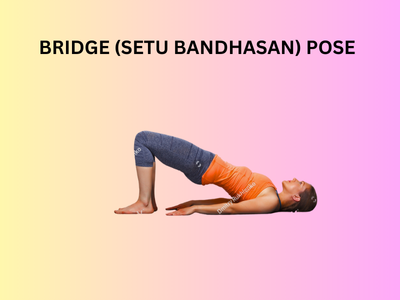
- Lie on your back with knees bent, feet hip-width apart and heels close to the sitting bones.
- Press into feet and lift the hips gently, tucking the chin slightly to avoid neck strain.
- Hold 3–8 breaths, then slowly lower. Keep shoulders relaxed and avoid straining the neck.
Pranayama pairing: Slow Dirga breath during holds or after the pose to calm the nervous system. Bridge + breath helps regulate blood pressure through mild chest opening and relaxation.
Benefits: Opens front body, reduces stress, improves circulation and gentle back strength.
5) Paschimottanasana — Seated Forward Bend (gentle): 🌾🕊️
Why it helps: When practiced softly, forward folds can calm the mind, slow breathing and activate relaxation — useful among yoga for high BP and anxiety relief.
How to do it — steps:
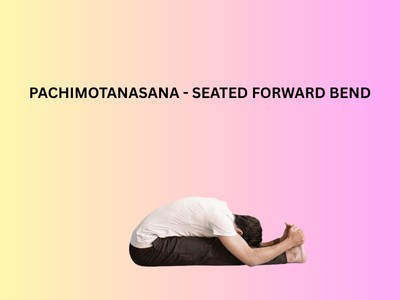
- Sit tall with legs extended. Use a strap around the feet if needed.
- Hinge at the hips and fold forward with a long spine, reaching gently toward feet.
- Hold for 5–30 breaths, breathing softly into the back body. Avoid force; keep knees micro-bent if tight.
Pranayama pairing: Gentle paced Anulom Vilom or 6-round slow exhale breath for relaxation. This pairing enhances the calming potential of the forward fold as part of yoga for hypertension control.
Benefits: Calms nervous system, stretches hamstrings and spine, supports mental focus and relaxation.
Essential Pranayamas (Breathing Exercises) for Blood Pressure — How & Why: 🌬️
Practicing calming breathing techniques before or after the above high BP yoga routine amplifies results. Here are three safe, effective pranayamas:
Anulom Vilom (Alternate Nostril Breath) — steps:
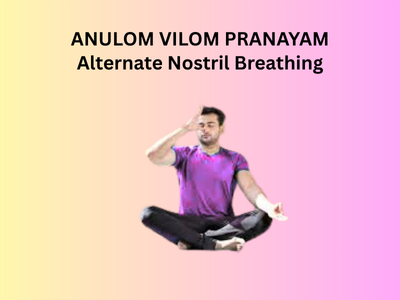
- Sit comfortably. Use right thumb to close right nostril, inhale left.
- Close left with ring finger, release right, exhale right.
- Inhale right, close right, exhale left. Repeat 5–10 minutes.
Why: Balances left/right brain and calms autonomic nervous system — perfect with yoga for cardiovascular health.
Bhramari Pranayama (Bee Breath) — steps:

- Sit relaxed. Inhale deeply, then exhale slowly while making a soft humming “mmm” sound.
- Repeat 5–7 times. Covering ears gently with thumbs intensifies the effect.
Why: Immediate anxiety reducer; lowers blood pressure spikes when practiced often.
Dirga (Three-Part Breath) — steps:
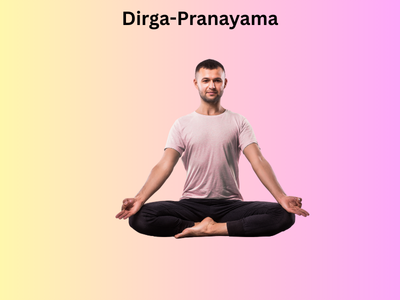
- Inhale filling belly → ribs → chest. Exhale reversing chest → ribs → belly.
- Continue for 5–10 rounds.
Why: Promotes deep parasympathetic activation and is safe for almost everyone practicing blood pressure lowering yoga sequence.
Simple lifestyle tips to support your practice: 🥗🚶♀️💤
- Sleep: Aim for consistent sleep schedule; poor sleep raises blood pressure. (Tip: do Viparita Karani or Supta Baddha before bed.)
- Diet: Reduce processed salt, eat more whole foods, leafy greens, and potassium-rich fruits.
- Hydration & tea: Sip warm water and consider calming herbal tea (chamomile, hibiscus) after practice.
- Movement: Short walks after meals help circulation — pair with your effective yoga sequence to reduce high blood pressure routine.
- Stress check: Use 5 minutes of breathwork (Anulom Vilom) daily to manage acute stress.
Testimonials:💬
“After three weeks of simple sessions (15–20 min) with these yoga asanas to lower high blood pressure, my resting heart felt calmer and my doctor nodded at the slight improvement. I sleep better too.” — Rakhee K., 42
“I combined pranayama and gentle poses from this plan and noticed fewer headaches and less anxiety. The approach is realistic for busy days.” — Vikram S., 50
“Starting with Viparita Karani and Bhramari before bed changed everything. My BP readings are steadier and I feel less frazzled.” — Leena K., 37
FAQ:❓✅
Q: Can yoga cure high blood pressure?
A: Yoga asanas to lower high blood pressure can significantly help manage and lower blood pressure naturally, but it’s not a guaranteed cure. Combine with medical advice, diet, and lifestyle changes.
Q: How often should I practice these yoga asanas to lower high blood pressure?
A: Aim for 4–7 sessions per week, 15–30 minutes each. Consistency beats intensity.
Q: Any poses to avoid?
A: Avoid forceful inversions and very vigorous breath practices without doctor clearance. Always stop if you feel dizzy.
Q: When should I measure my BP to track progress?
A: Measure at the same time daily (e.g., morning before meds/food) for consistent tracking. Share results with your healthcare provider.
Why these items supercharge your practice:🛍️✨
Using the right tools from Amazon turns a gentle home routine of yoga asanas to lower high blood pressure into a daily ritual you’ll actually keep.
A premium non-slip yoga mat anchors your body and calms your mind — no slipping means less startle and more focus during yoga for high BP management with step-by-step guidance.
A soft meditation cushion supports upright seated pranayamas, helping your breath deepen without neck strain.
Yoga blocks and straps provide gentle leverage, making restorative poses like Supta Baddha Konasana and Paschimottanasana accessible — lowering stress without forcing the body.
An essential oil blend (lavender + frankincense) applied to wrists or diffused for 10 minutes before practice cues your nervous system that it’s time to relax.
A reliable digital timer replaces the clock-check anxiety and lets you stay fully present in Viparita Karani or Balasana.
Herbal green tea (hibiscus or chamomile) after your session soothes the system and supports circulation.
Together these items create a ritualized environment that supports lifelong habit formation and makes the promise of yoga lifestyle tips to prevent high blood pressure naturally, feel tangible, luxurious, and easy to repeat — which is the real secret to long-term heart calm.
Conclusion—Your Heart’s Next Best Decision!❤️🗝️
This is the moment to choose calm. If your heart races in stressful moments or your blood pressure numbers worry you, these yoga postures and pranayama for stable blood pressure are not magic pills — they’re gentle, practical tools you can use every day. Imagine starting your morning with a 15-minute ritual: a few rounds of Anulom Vilom, a restful Viparita Karani, and a slow Bridge pose.
Incorporating yoga asanas to lower high blood pressure into your daily lifestyle is a natural, holistic, and deeply effective approach to achieving long-term wellness. Regular practice of yoga asanas to lower high blood pressure with calming postures like Sukhasana (Easy Pose), Balasana (Child’s Pose), and Shavasana (Corpse Pose) helps relax the nervous system, balance hormonal levels, and reduce stress — one of the primary triggers of hypertension.
Along with gentle breathing practices and mindfulness, yoga asanas to lower high blood pressure enhances circulation, improves heart health, and promotes emotional stability.
Unlike quick-fix medications, yoga asanas to lower high blood pressure brings sustainable results by addressing the root causes of high blood pressure — stress, poor lifestyle habits, and lack of physical activity. Yoga asanas to lower high blood pressure restores the body’s natural rhythm, helping you feel calmer, more energized, and emotionally balanced.
To experience true transformation, consistency of yoga asanas to lower high blood pressure matters — even 20–30 minutes of daily yoga asanas to lower high blood pressure practice can make a noticeable difference.
If you’re looking for a natural way to manage high blood pressure, combine these yoga asanas to lower high blood pressure with a healthy diet, mindful breathing, and adequate rest. Remember, yoga asanas to lower high blood pressure is not just exercise; it’s a way of reconnecting your mind, body, and breath for lasting heart health. Start today — your heart will thank you for every deep, conscious breath you take.
Over weeks, that ritual of yoga asanas to lower high blood pressure lowers stress, improves sleep, and steadies your blood pressure trends. The emotional payoff? Less panic during busy days, deeper sleep at night, and the quiet confidence that you’re doing something meaningful for your heart.
If you’re ready to commit, pair the routine of therapeutic yoga poses to lower BP with the products above — a supportive mat, a plush bolster, calming essential oil and a timer — and you’ll create a small, repeatable practice of yoga asanas to lower high blood pressure that your body remembers and rewards. Always inform your doctor of your plan and keep medication decisions with medical guidance.
But if you act today — start with five minutes, then ten — this simple, compassionate path of yoga asanas to lower high blood pressure can become your steady ally.
Try yoga flow for improving blood circulation and reducing BP for 30 days; feel the difference, and let the calm ripple through every part of your life. 🌊💓
DISCLAIMER: This article is for informative purpose only so always consult your health practitioner and certified yoga trainer before starting any routine.