
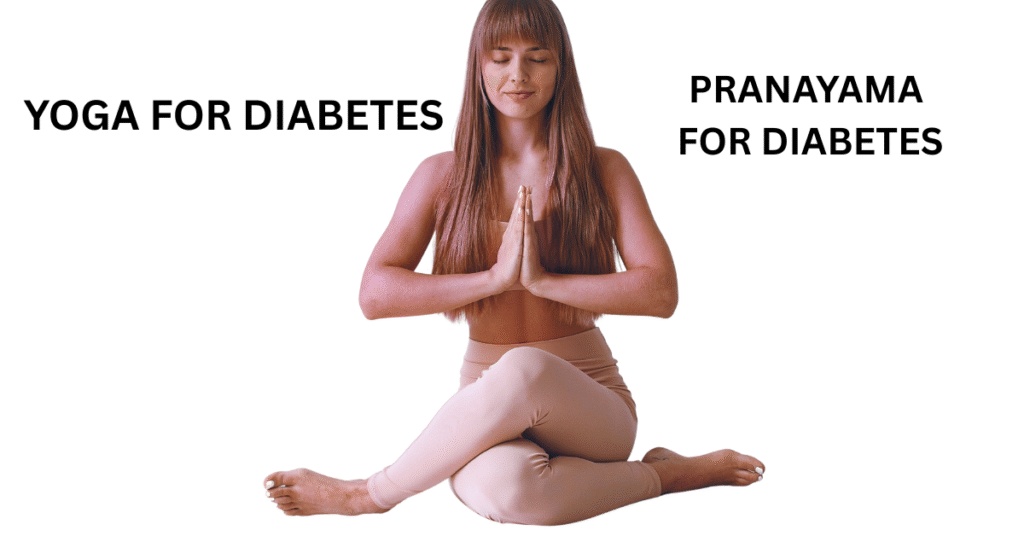
In today’s fast-paced world, diabetes has become one of the most common lifestyle diseases. While medication and diet are crucial, integrating yoga for diabetes can offer a natural, holistic way to regulate blood sugar, reduce stress, and with yoga asanas improves overall health.


Yoga asanas isn’t just yoga exercise for diabetes – it’s a way of aligning the body, breath, and mind. With consistent practice of yoga for diabetes, it can enhance insulin sensitivity, reduce blood sugar spikes, and even support better functioning of the pancreas. In this blog of yoga for diabetes, let’s explore how these types of yoga asanas can be a game-changer in managing diabetes.
Yoga poses for diabetes can be practiced for better management of diabetes.
Table of Contents
Understanding Diabetes: The Modern Epidemic.
Diabetes occurs when your body either doesn’t produce enough insulin or can’t use it effectively. This leads to high blood sugar levels, which over time can damage vital organs. The two main types are:
- Type 1 Diabetes: Autoimmune condition requiring insulin.
- Type 2 Diabetes: Lifestyle-related and often reversible with healthy changes.
Chronic stress, lack of exercise, and poor dietary habits often worsen the condition. That’s where asanas of yoga for diabetes steps in – bringing balance, calmness, and body awareness.
🌿 How Yoga Asanas Helps in Diabetes Management:
Yoga types of asanas benefits people with diabetes in multiple ways:
- Stimulates pancreas to improve insulin secretion.
- Improves metabolism and digestion.
- Reduces cortisol and stress hormones that spike sugar levels.
- Encourages weight loss, improving insulin resistance.
- Boosts circulation, especially to internal organs like the liver and kidneys.
Yoga for Diabetes: A Natural Path to Lower Blood Sugar & Better Health!
Living with diabetes can feel overwhelming, but yoga for diabetes offers a calming, effective, and holistic solution that supports your mind, body, and blood sugar. Many people today turn to yoga therapy for diabetes and pranayama for diabetes because these ancient techniques help in controlling glucose levels, reducing stress, and improving overall wellness. With consistent practice, you can build a powerful diabetic yoga routine that fits easily into everyday life.
How Yoga Helps Reduce Blood Sugar Naturally?
From gentle movement to mindful breathing, yoga for diabetes benefits diabetes in many ways. A series of yoga poses to control blood sugar levels stimulates metabolism, aids digestion, and improves circulation. Studies show that yoga for type 2 diabetes patients can help reduce insulin resistance, and many people create a daily yoga routine for diabetic patients to balance their glucose levels naturally.
Even yogic breathing diabetes practices activate the parasympathetic nervous system, helping the body calm down. Less stress means better hormonal balance, making diabetes breathwork a powerful tool.
Best Yoga Poses & Pranayama for Beginners:
If you’re new to this journey, start with beginner yoga exercises for diabetes reversal such as Cat-Cow, Bridge Pose, and gentle twists. These are simple diabetes yoga poses that stimulate the pancreas and digestive system. You can also try simple chair yoga for diabetic seniors for accessible movement.
Breathing practices like Anulom Vilom and Bhramari are highly effective pranayama breathing practices for type 2 diabetes. They work wonderfully as safe pranayama for diabetic beginners, helping lower stress while improving oxygen flow.
A Morning Flow to Lower Blood Sugar:
Kickstart your day with a morning yoga sequence to lower blood sugar, including Sun Salutations, forward bends, and mindful breathing. This relaxing yoga flow for diabetes and stress resets your system and helps maintain calmness throughout the day. If you prefer gentler movement, easy diabetes yoga is enough to support a healthy routine.
Yoga Lifestyle Habits for Diabetes Control:
Along with movement, building yoga lifestyle diabetes habits makes a huge difference. Try incorporating yoga-based diet and breathing tips for diabetes, which include mindful eating, slow breathing, and daily movement. These small steps help create a holistic yoga routine to balance glucose levels.
You can also follow natural ways to control diabetes with yoga for diabetes, like meditation, grounding exercises, and practicing gratitude. These simple tools support both physical and emotional balance.
Yoga as a Long-Term Healing Path:
Many people experience noticeable changes with effective home yoga for diabetes control. Practicing yoga to lower sugar, yoga for insulin function, and mindfulness diabetes can prevent future health issues. For those with nerve pain, yoga benefits for diabetic neuropathy relief bring gentle comfort.
Whether you’re starting a complete yoga plan for diabetic beginners or seeking ancient yoga techniques to reduce sugar naturally, yoga empowers your healing journey. With consistent practice of yoga for diabetes, diet awareness, and mindful breathing, you can embrace natural diabetes yoga as a lifelong companion for health and harmony.
✅ Best Yoga Asanas for Diabetes Control:
Let’s explore powerful yoga types of asanas (postures) that help manage and regulate diabetes naturally:
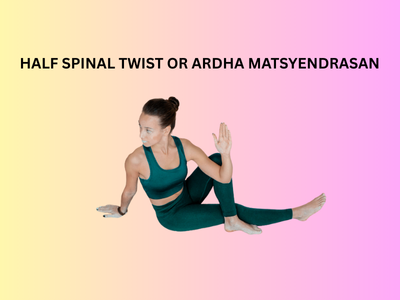
1. 🌀 Ardha Matsyendrasana (Half Spinal Twist):
Benefits:
- Stimulates pancreas, liver, and kidneys.
- Improves digestion and detoxification.

How to Practice:
- Sit with legs stretched.
- Bend one leg and place the foot across the opposite thigh.
- Twist the torso toward the bent knee.
Hold and breathe deeply.
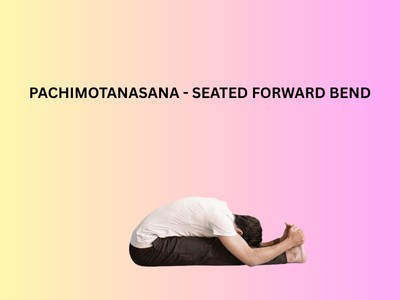
2. 🤸♂️ Paschimottanasana (Seated Forward Bend):
Benefits:
- Stimulates abdominal organs.
- Calms the nervous system.
- Helps regulate blood pressure.
How to Practice:
- Sit with legs extended.
- Inhale and raise arms.
- Exhale and bend forward to hold your feet or shins.
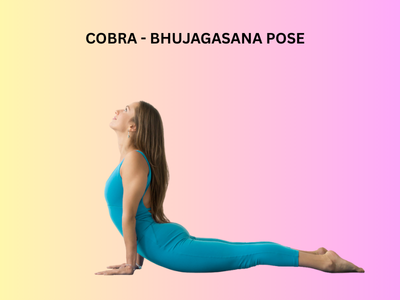
3. 🐍 Bhujangasana (Cobra Pose):
Benefits:
- Activates the pancreas and liver.
- Strengthens spine and alleviates stress.
How to Practice:
- Lie on your stomach.
- Place palms under shoulders.
Inhale and lift chest upward, keeping elbows slightly bent.
4. 🙇♂️ Vajrasana (Thunderbolt Pose):
Benefits:
- Aids digestion and regulates post-meal glucose spikes.
- Promotes calmness and relaxation.

How to Practice:
- Kneel down and sit back on your heels.
- Rest hands on thighs and focus on breathing.
✅ Tip: Practice Vajrasana after meals for 10–15 minutes.
5. 🏹 Dhanurasana (Bow Pose):
Benefits:
- Strengthens abdominal muscles.
- Stimulates endocrine glands.
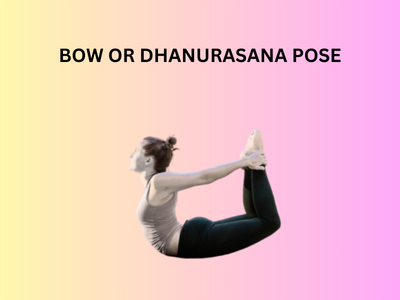
How to Practice:
- Lie on your stomach.
- Hold ankles with hands.
- Inhale and lift chest and legs, forming a bow shape.
6. 🌉 Setu Bandhasana (Bridge Pose):
Benefits:
- Activates thyroid, improves circulation.
- Helps reduce stress and anxiety.
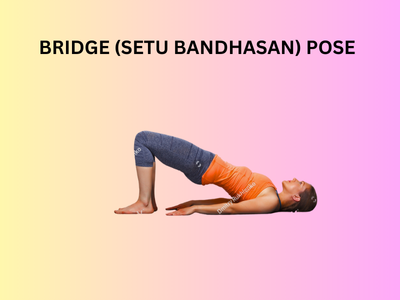
How to Practice:
- Lie on your back, bend knees.
- Lift hips while pressing down with feet.
- Hold and breathe deeply.
7. 🌞 Surya Namaskar (Sun Salutation):
Benefits:
- Full-body workout that boosts metabolism.
- Improves flexibility and stamina.
- Controls weight and supports hormone balance.
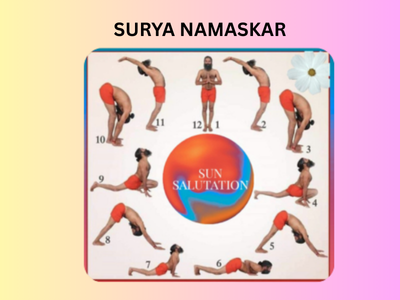
How to Practice:
- Perform 6–12 rounds daily with controlled breathing.
- Combine with mantras or mindful breathing for added calmness.
Pranayama for Diabetes: The Powerful Yogic Breathing That Helps Control Blood Sugar Naturally!
Living with diabetes often feels like walking a tightrope — balancing diet, stress, and lifestyle every single day. But one ancient tool stands out as a gentle, effective, and scientifically supported approach: pranayama for diabetes. These simple yet powerful diabetes breathing exercises activate the body’s healing mechanisms, help lower stress hormones, and improve glucose metabolism with yoga for diabetes.
How Pranayama Supports Blood Sugar Balance?
The first step to healing begins with breath awareness. Many people don’t realize that yoga breathing diabetes practices directly influence insulin response. Techniques like diaphragmatic breathing and alternate nostril breathing are among the best pranayama techniques for diabetes control because they calm the nervous system and reduce cortisol levels. High stress means high sugar, which is why mindful breathing diabetes techniques are crucial.
People practicing daily pranayama routine to lower blood sugar often notice better digestion, enhanced metabolism, and improved circulation. These breathing exercises to reduce insulin resistance gently train the body to use glucose more efficiently with yoga for diabetes.
Beginner-Friendly Pranayama for Diabetic Patients:
If you are new to breathwork, start with simple pranayama practices for diabetic patients such as Anulom Vilom, Ujjayi, and Bhramari. These practices with yoga for diabetes form a complete diabetic pranayama routine that is safe for all ages, including safe pranayama for diabetic seniors.
Consistent practice of step-by-step pranayama for diabetes beginners helps deepen awareness and creates a stable foundation for healing. For those with fluctuating sugar levels, a morning pranayama session for high blood sugar is especially beneficial as it resets the body’s energy and mood for the day.
A Yogic Approach to Natural Diabetes Control:
For many people, the goal is long-term wellness, which is why adopting natural ways to control diabetes with pranayama works so well. Breathwork is gentle enough to be practiced daily, making it one of the most accessible holistic tools.
Focus on guided breathing exercises for diabetic healing to create awareness and relaxation. Slow breathing activates the vagus nerve, making slow breathing exercises for metabolic health a must-have in your routine.
These are not just exercises — they form part of a complete spiritual and physical lifestyle, including pranayama and yoga therapy for diabetes reversal for those aiming for deeper transformation.
Powerful Breathing Practices for Pancreas Health:
Certain techniques act directly on abdominal organs. Kapalabhati and Agnisara are known as powerful pranayama for stabilizing blood sugar, though they should be practiced under guidance. These exercises with yoga for diabetes stimulate the pancreas, making them part of a healing pranayama flow to support pancreas health.
A regular practice becomes a complete pranayama plan for diabetic beginners, supporting weight balance, digestion, and metabolism. That’s why many rely on pranayama for weight loss and diabetes control as a dual-benefit solution.
Pranayama Is a Lifelong Companion for Diabetic Care:
Breathwork is not a quick fix—it’s a journey. By embracing yoga for sugar control, breathwork for diabetics, and pranayama therapy diabetes, you build a long-lasting healing foundation. With consistency, you tap into traditional pranayama to prevent diabetes naturally and protect yourself from future complications.
Whether you want to balance glucose, improve energy, or simply breathe deeper, pranayama offers a calming, powerful path toward better health. Start today, breathe mindfully, and let your breath become your natural medicine.
Pranayama for Blood Sugar Balance:
Breathing techniques are just as vital as yoga asanas in yoga for diabetes. They help balance the nervous system, reduce sugar-craving stress hormones, and stimulate the pancreas.
1. 💨 Anulom Vilom (Alternate Nostril Breathing):
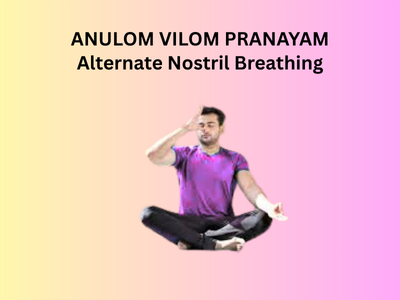
- Balances energy flow.
- Reduces anxiety and improves oxygenation.
2. 🔥 Kapalabhati (Skull Shining Breath):
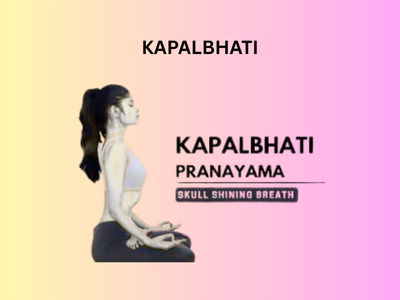
- Stimulates abdominal organs.
- Increases metabolic rate and detoxification.
3. 💥 Bhastrika (Bellows Breath):
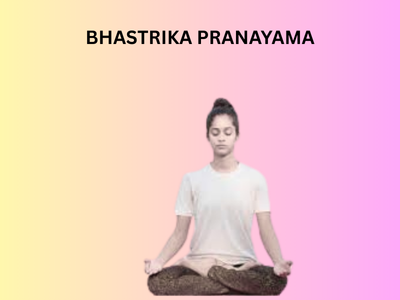
- Activates the brain and endocrine system.
- Boosts inner vitality and circulation.
🕒 Suggested Time: 5–10 minutes daily for each.
🍎 Lifestyle Tips to Maximize Yoga’s Effectiveness:
- Practice yoga asanas on an empty stomach.
- Follow a balanced, low-GI diet with whole grains, legumes, and fiber.
- Stay hydrated.
- Monitor blood sugar regularly.
- Avoid skipping medications unless advised by your doctor.
“Transform Your Life Naturally”
Yoga asanas for diabetes isn’t just a workout – it’s a lifestyle transformation. For those with diabetes, it offers a gentle yet powerful path to improved health, better blood sugar management, and renewed energy.
🧘♀️ Final Thoughts:
Yoga for diabetes with Pranayams is more than a trend – it’s a time-tested natural remedy that supports the body, calms the mind, and balances the endocrine system. Whether you’re managing Type 2 diabetes or looking for preventive wellness, a consistent yoga asanas practice can be your most supportive ally.
Yoga for diabetes, combined with holistic approach, yoga asanas and other lifestyle modifications like medication and diet, can provide a comprehensive approach to diabetes management.
Combine these yoga asanas or poses as yoga for diabetes with breathing exercises, mindful eating, and proper rest, and you’ll notice not just better sugar control – but a more peaceful, energized, and vibrant you.
- Consult with your doctor:
Before starting any new exercise routine or yoga for diabetes, especially if you have diabetes, it’s crucial to consult with your doctor or a qualified healthcare professional and certified yoga trainer.
- Listen to your body:
Pay attention to your body’s signals and avoid overexertion. Modify poses or asanas in yoga for diabetes as needed and gradually decrease or increase the intensity and duration of your practice.
- Combine with other healthy habits:
Yoga for diabetes is most effective when combined with a balanced diet, regular exercise, and proper medication management.
🩺 Monitor Your Progress with a Glucometer:
Consistent blood sugar monitoring is essential when managing diabetes control through yoga for diabetes and lifestyle changes. A reliable glucometer helps you stay in control by tracking your glucose levels anytime, anywhere. Whether you’re at home or on the go, using a glucometer before and after your yoga sessions can help you understand how your body responds to different asanas and breathing techniques.
Choose a compact, easy-to-use, and accurate glucometer on Amazon to support your natural diabetes management journey. Check out this top-rated glucometer and test strips for fast results and peace of mind.
Accessories to Enhance Your Yoga Pranayama Practice!
To enhance your Yoga for Diabetes and Pranayamas practice, having the right accessories can make a big difference. A non-slip yoga mat provides the perfect foundation for seated breathing techniques, while a comfortable zafu cushion supports a straight spine and relaxed posture. Beginners and enthusiasts alike can benefit from a well-guided yoga book that explains breathing techniques in detail. And to maintain consistency, using a digital timer or interval app can help you stay focused without watching the clock. You can check out our handpicked recommendations mentioned here above – Perfect for every level of practice!
DISCLAIMER: This article is for informative purpose only so always consult your health practitioner and certified yoga trainer before starting any routine.