
In today’s fast-paced world filled with stress, distractions, and digital noise, people are searching for balance — not just physically but emotionally and mentally. Enter Hatha Yoga, an ancient yet timeless practice that offers a rejuvenating path to inner peace, physical strength, and holistic wellness.
Whether you’re a beginner curious about yoga or someone looking to reconnect with a deeper sense of calm, Hatha Yoga meets you where you are — gently, powerfully, and mindfully.
Table of Contents
What is Hatha Yoga?
The word Hatha comes from Sanskrit: “Ha” meaning sun and “Tha” meaning moon. Symbolically, Hatha Yoga aims to unite opposites — effort and ease, movement and stillness, masculine and feminine energies. It’s not just about stretching or flexibility; it’s about balance and control over the body and breath. This Yoga typically involves holding postures (asanas), practicing breathing techniques (pranayama), and sometimes incorporating meditation or cleansing methods. Unlike more dynamic forms of yoga like Vinyasa or Power Yoga, Hatha Yoga follows a slower pace, focusing on alignment, awareness, and breath.
A Brief History of Hatha Yoga:
Hatha Yoga has its roots in ancient India and was formalized in classical texts like the Hatha Yoga Pradipika, Gheranda Samhita, and Shiva Samhita. These scriptures were not just instruction manuals for physical poses, but guides for spiritual purification and awakening higher consciousness.
Hatha Yoga gently invites you to reconnect with yourself in a world that often demands too much. It’s a sacred pause – a moment to breathe, reflect, and grow. Over time, this practice becomes more than movement; it becomes a lifestyle rooted in awareness, acceptance, and conscious living every single day.
Historically, this Yoga served as a preparatory stage for meditation – cleansing the body and calming the mind so that practitioners could sit still and focus inward.
Key Elements of Hatha Yoga:
Here’s what makes this Yoga a unique and holistic practice:
1. Asanas (Postures)
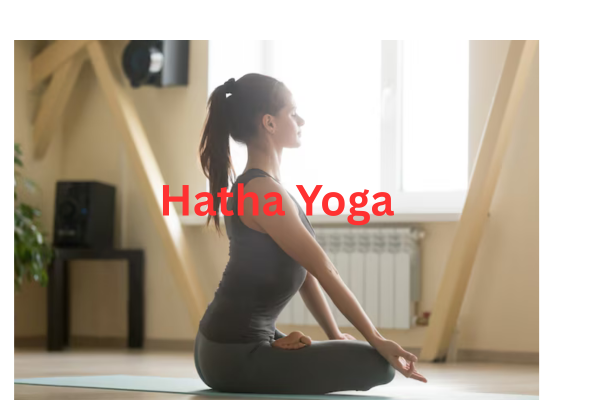
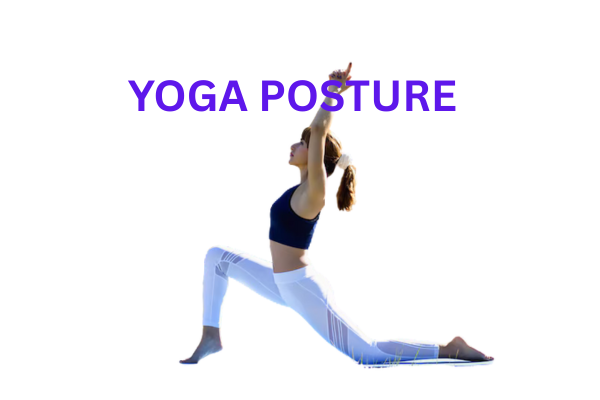
The physical poses form the core of this yoga. Each posture is designed to activate a specific set of muscles, stimulate energy channels (nadis), and build strength and flexibility.
Common this yoga poses include:
- Tadasana (Mountain Pose) – For grounding and posture alignment
- Bhujangasana (Cobra Pose) – For spine flexibility and energy boost
- Vrikshasana (Tree Pose) – For balance and concentration
- Shavasana (Corpse Pose) – For deep rest and relaxation
2. Pranayama (Breathing Techniques)
Breath control is a vital part of this yoga. It balances the nervous system, regulates emotions, and increases vitality.
Popular Hatha pranayamas:
- Anulom Vilom (Alternate Nostril Breathing)
- Kapalabhati (Cleansing Breath)
- Bhramari (Bee Breath)
When combined with asanas, pranayama creates a powerful inner shift that calms the mind and energizes the body.
3. Dhyana (Meditation)
Meditation may follow a Hatha session to quiet the mind. You can practice simple breath awareness, mantra chanting, or silent observation (mindfulness). This deepens self-awareness and supports mental clarity.
4. Shatkarma (Yogic Cleansing Techniques)
Although less practiced in modern classes, traditional this yoga includes six cleansing rituals to detoxify the body. These include Neti (nasal cleansing), Dhauti (digestive cleansing), and others, aimed at purifying the system for advanced practices.
Benefits of Hatha Yoga:
This Yoga is not just physical exercise — it’s mind-body medicine. Here’s how it transforms your life:
🌿 Physical Health Benefits:
- Improves flexibility, muscle tone, and joint mobility.
- Enhances posture and spine alignment.
- Boosts metabolism and supports digestion.
- Strengthens the immune system and improves circulation.
- Reduces chronic pain, tension, and stiffness.
🧠 Mental and Emotional Wellness:
- Decreases anxiety, stress, and mental fatigue.
- Increases focus, patience, and emotional resilience.
- Improves sleep quality and hormonal balance.
- Promotes inner peace and present-moment awareness.
🧘 Spiritual Awareness:
- Balances energy flow in chakras.
- Awakens inner awareness and mindfulness.
- Prepares the body for deeper meditative states.
Is This Yoga Right for You?
Absolutely! One of the greatest strengths of this yoga is its accessibility. Whether you are:
- A beginner with no flexibility.
- Recovering from injury or illness.
- Seeking stress relief from a hectic lifestyle.
- Looking for a low-impact yet powerful practice.
This Yoga is a safe and inviting space to begin your journey.
Sample 20-Minute Hatha Yoga Exercise (Beginner Friendly):
Here’s a basic sequence you can try at home:
- Seated Breathing (5 min): Anulom Vilom or simple deep breaths.
- Warm-Up (3 min): Cat-Cow stretches.
- Standing Poses (6 min): Tadasana → Vrikshasana → Trikonasana.
- Backbends (3 min): Bhujangasana.
- Seated Forward Fold (2 min): Paschimottanasana.
- Cool Down & Relaxation (5 min): Shavasana with gentle music.
Practice slowly and mindfully, with no strain. Consistency matters more than intensity.
Hatha Yoga vs. Other Yoga Styles:
| Yoga Style | Intensity | Focus |
| Hatha Yoga | Low to Moderate | Breath, Posture, Mindfulness |
| Vinyasa Yoga | Moderate to High | Flow, Movement, Energy |
| Ashtanga Yoga | High | Strength, Discipline, Series |
| Yin Yoga | Very Low | Deep Tissue Stretch, Stillness |
| Power Yoga | High | Fitness, Cardio, Endurance |
This Yoga is best for beginners or anyone seeking balance and slow progress.
Tips for Practicing Hatha Yoga:
- Practice on an empty stomach, ideally early morning or before dinner.
- Wear loose, breathable clothing.
- Create a quiet space without distractions.
- Don’t force any pose — use props or modify when needed.
- Breathe naturally and avoid shallow breathing.
- End every session with Shavasana to absorb the benefits.
Final Thoughts: Embrace the Rejuvenating Path of Hatha Yoga!
Hatha Yoga is not a race or a performance – it’s a personal exploration. It teaches you to listen to your body, stay present, and find joy in stillness. In a world that constantly pushes for “more,” this yoga gently reminds us that slowing down is also progress.
Whether your goal is flexibility, focus, or freedom from stress – This yoga offers a nurturing space for healing and transformation.
So unroll your mat, take a deep breath, and allow the ancient wisdom of this yoga to lead you toward wholeness and harmony — one breath, one pose, one moment at a time.
Accessories to Enhance Your Yoga Pranayama Practice!
To enhance your Yoga-Pranayama practice, having the right accessories can make a big difference. A non-slip yoga mat provides the perfect foundation for seated breathing techniques, while a comfortable zafu cushion supports a straight spine and relaxed posture. Beginners and enthusiasts alike can benefit from a well-guided yoga book that explains breathing techniques in detail. And to maintain consistency, using a digital timer or interval app can help you stay focused without watching the clock. You can check out our handpicked recommendations mentioned here above – Perfect for every level of practice!
DISCLAIMER: This article is for informative purpose only so always consult your health practitioner and certified yoga trainer before starting any routine.