


Table of Contents
Introduction — Why tiny walks deliver HUGE results? 🩺✨
If you’ve ever thought you needed long gym sessions to manage blood sugar, here’s the honest truth: short walks daily for diabetes control and simple, frequent movement beat long workouts when it comes to consistency. Multiple short walks daily improve insulin sensitivity, reduce cholesterol levels, and fit into busy lives. This post covers why multiple short walks daily for lowering cholesterol work, how to combine short walks daily with pranayama and gentle yoga on a yoga mat, and step-by-step routines you can start now.
The science-light behind short walks daily and metabolic magic: 🧠💡
Short distance walking routine for cholesterol and blood sugar is not just a trend — it’s practical physiology. When you walk in intervals, muscles use glucose more efficiently and the body mobilizes fats, helping to lower LDL and raise HDL. Tiny walking workouts after meals reduce glucose spikes. Think of frequent walking breaks for diabetics as micro-investments: small, repeated efforts that compound into major health gains with short walks daily.
• Improves insulin sensitivity.
• Reduces post-meal blood sugar spikes.
• Supports healthy cholesterol numbers.
How to structure your short walks daily: Simple walking schedule to manage diabetes: ⏰🚶
Create a walking plan short walks daily with short, frequent sessions:
• Morning: 10-minute brisk walk after waking (fast but comfortable).
• After meals: 10–15 minutes short walk after breakfast, lunch, and dinner — this is powerful for blood sugar.
• Mid-afternoon: 5–10 minute light walk to break sedentary time.
• Evening: 10–20 minute relaxed stroll for heart health.
These multiple short walks daily balance energy and metabolism. For people asking how short walks reduce diabetes naturally, this routine of short walks daily is both realistic and effective.
Combine walking with breath: Short walk – Pranayama combo for diabetes support! 🌬️🧘
Don’t just walk — breathe with purpose. Try this pranayama while walking slowly between intervals:
1. Sama Vritti (Equal Breath) — steps:
- Walk slowly.
- Inhale for 3 steps, exhale for 3 steps.
- Repeat 5 minutes.
Benefits: Calms stress (reduces cortisol-related sugar spikes), improves focus, gentle parasympathetic activation.
2. Dirgha (Three-Part Breath) — steps:
- Stand or walk slowly.
- Inhale filling belly → ribs → chest for 4 counts.
- Exhale chest → ribs → belly for 4 counts.
- Repeat for 3–5 minutes.
Benefits: Lowers stress, supports oxygenation, improves insulin response indirectly.
3. Ujjayi (Victorious Breath) — steps:
- Slight constriction at throat during inhale/exhale.
- Walk at comfortable pace and synchronize breath with steps.
- 3–6 minutes only; avoid if you have high blood pressure without guidance.
Benefits: Calming, increases breath awareness, supports consistent walking beat.
Mini Yoga Sequence on your mat to support walking and control cholesterol: 🧘♀️🟩
Use a yoga mat for balance and comfort with short walks daily. Do this after a walk or in place of a longer session.
1. Tadasana (Mountain Pose) — steps:
• Stand tall, feet hip-width.
• Root through feet, lift through crown.
• Hold 30–60 seconds, breathe evenly.

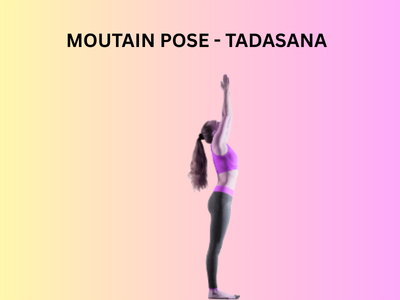
Benefits: Improves posture, engages core, primes walking muscles.
2. Anjaneyasana (Low Lunge) — steps:
• Step right foot forward, lower left knee.
• Sink hips forward, lift chest.
• Hold 30–45 seconds each side.
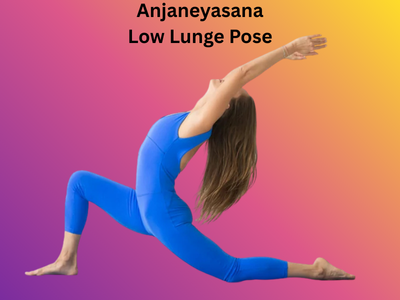
Benefits: Opens hips, stretches quads, improves walking stride.
3. Setu Bandha (Bridge Pose) — steps:
• Lie on back, knees bent, feet hip-width.
• Press feet, lift hips, grasp hands under back.
• Hold 30–45 seconds.
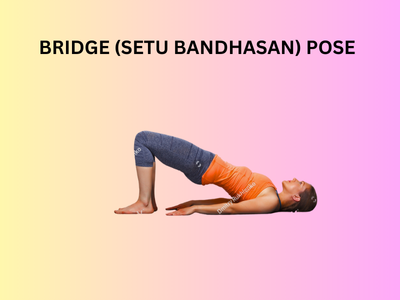
Benefits: Strengthens glutes (crucial for walking power), supports healthy metabolic rate.
4. Ardha Matsyendrasana (Seated Twist) — steps:
• Sit, cross one leg over the other, twist gently.
• Hold 20–30 seconds each side.
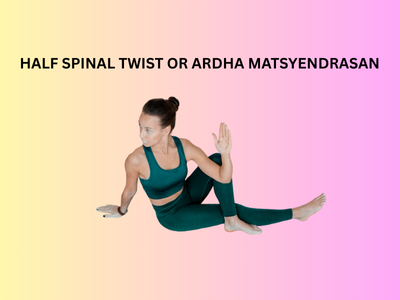
Benefits: Stimulates digestion (helps post-meal glucose), supports detox pathways.
5. Shavasana (Relaxation) — steps:
• Lie down, relax for 3–5 minutes after session.
• Breathe slowly, reflect on your walk.
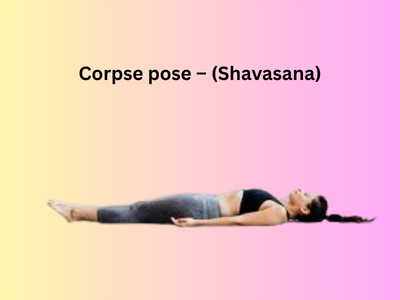
Benefits: Lowers stress hormones, balances recovery.
Easy Meal & Walk Pairings — Practical tips for daily life: 🍽️🚶♂️
Try these combos for maximum benefit:
• After oatmeal breakfast: 12-minute brisk walk.
• After lunch (salad + lean protein): 15-minute walk with Sama Vritti breath.
• After dinner (light meal): 10-minute relaxed walk, then a short yoga mat stretch.
These short walks after meals for diabetes control are proven by everyday experience to blunt spikes and support digestion.
Why mixing pranayama and walking works better than exercise alone: 🌿🔁
Walking lowers blood sugar and cholesterol by using muscles and increasing circulation. Pranayama reduces stress hormones and improves autonomic balance — together they reduce insulin resistance and help lipid metabolism. For those asking how frequent walking helps insulin sensitivity, the combined approach is practical and gentle.
Daily Checklist: Tiny Habits That Transform Health: ✅
• 10–15 minutes walk after each meal.
• 5 minutes of pranayama twice daily.
• 15–20 minutes mat yoga or stretches once daily.
• Hydrate, choose fiber-rich meals, and track steps.
These small habits create momentum. Remember: Consistency beats intensity.
Testimonials — Real people, real changes: 💬
“After two weeks of multiple short walks daily, my fasting glucose dropped 20 mg/dL — I felt more energetic.” — Priya, 54.
“My LDL lowered by 15 points in three months. Short, frequent walks were easy to stick to.” — Ramesh, 62.
“Combining short walk pranayama combo and a better diet helped me finally stop afternoon sugar crashes.” — Anita, 45.
FAQ:❓
Q: Do short walks really lower cholesterol?
A: Yes — especially when done consistently. Short walks increase HDL and help with fat metabolism.
Q: How soon will I see results in blood sugar?
A: Many people notice smaller post-meal spikes within days; sustained fasting improvements may take weeks with consistent walking and diet.
Q: Can I do pranayama while walking?
A: Yes — start with Sama Vritti or Dirgha while walking slowly; avoid intense breath holds during brisk walking.
Q: Is a yoga mat necessary?
A: A yoga mat makes floor poses and stretches more comfortable and stable, especially for balance work after walking.
Conclusion — Your Tiny Steps, Huge Impact: ❤️🩹
You don’t need heroic gym sessions to change your health story. The truth is gentle: Short walk routine for cholesterol reduction and mindful breathwork create a steady, dependable path to better blood sugar, lower LDL, and improved energy.
Imagine feeling calmer after meals, freer from sugar cravings, and proud of a simple habit you can keep forever. This approach respects your life — busy schedules, family, and work — and rewards consistent, kind action.
Start today: Set three alarms for post-meal walks, keep a water bottle, slip onto your yoga mat for a 5-minute stretch, and breathe. Small, repeated choices compound into transformation. If you want fast wins, prioritize walking after meals — that’s where change hides.
Your body remembers movement; remind it gently. The path to healing is not always dramatic; sometimes it is the tiny, repeated steps that free you. Walk, breathe, stretch — and watch your health rewrite itself.
Product Suggestions — Gear & Diet that Supercharge This Routine: 🛍️🔥
Want to turbocharge results? These simple products amplify your routine. A cushioned yoga mat gives you the confidence to stretch anywhere — living room, balcony, or park. A lightweight pair of walking shoes with memory-foam insoles prevents joint pain and keeps you moving through every 10-minute session.
Try a step tracker (or phone app) that reminds you to take short walks daily and celebrates small wins — gamifying habit formation makes it stick. For diet, lean protein, high-fiber veggies, and low-GI carbs reduce post-meal spikes; consider a greens powder for busy mornings and a measured portion-control plate to avoid overeating.
Herbal teas like cinnamon or fenugreek-infused brews may support glucose levels. Finally, a compact resistance band helps you do quick strength moves after walks, improving muscle tone and metabolic rate.
These items are tiny investments with big returns: Pain-free movement, consistent walking, better digestion, and stronger insulin response. Visualize unrolling your mat, slipping on comfy shoes, and taking the first deliberate step toward freedom from spikes and worries. Click, buy, and begin — your body will thank you.
Quick Reference: 🗂️
• ✅ Quick Start: 5-minute walking plan.
• ⚠️ Avoid: Long gaps between meals + sitting all day.
• ✨ Bonus: 3 pranayama exercises to use mid-walk.
• 🛒 Suggested gear: Yoga mat, comfy shoes, step tracker.
Final Practical Reminders: 🔔
• • • Start with 5 minutes and build up.
• • • Walk after meals for best glucose control.
• • • Use pranayama and meditation to reduce stress and support insulin.
• • • Track consistency, not perfection.
DISCLAIMER: This article is for informative purpose only so always consult your health practitioner and certified yoga trainer before starting any routine.