

Table of Contents
Introduction: Finding Hope Through Yoga for PCOS and Hormonal Imbalance.
Living with PCOS (Polycystic Ovary Syndrome) and hormonal imbalance can often feel overwhelming. Irregular periods, weight gain, hair loss, acne, mood swings, and fertility issues are challenges many women silently struggle with. Doctors usually suggest medications or hormonal treatments, but what if there was a more natural way to support healing?
This is where the power of Yoga for PCOS and Hormonal Imbalance comes in. Through specific yoga poses, pranayama, and mindful lifestyle practices, women can reduce stress, improve hormone function, regulate menstrual cycles, and boost overall reproductive health.
If you are searching for a natural way to manage PCOS symptoms, this guide of yoga for PCOS will walk you through the best yoga poses, pranayama techniques, lifestyle tips, testimonials, and FAQs to help you feel empowered on your healing journey.
How Yoga Helps with PCOS and Hormonal Imbalance?
Practicing yoga for PCOS and hormonal imbalance provides a holistic solution, addressing both the physical symptoms and the emotional stress connected to the condition.
- Balances Hormones Naturally – Yoga helps regulate cortisol and insulin, two key hormones linked to PCOS.
- Boosts Fertility – Improves blood circulation to the ovaries and uterus.
- Reduces Stress & Anxiety – Calms the nervous system, lowers cortisol, and balances mood.
- Supports Weight Management – Encourages better metabolism and fat reduction.
- Regulates Menstrual Cycle – Consistent practice helps in restoring regularity in periods.
By including yoga for PCOS and hormonal imbalance into your daily routine, you’re not just treating symptoms—you’re nurturing your body to heal from within.
Best Yoga Poses for PCOS and Hormonal Imbalance:
Here are powerful yoga for PCOS poses with step-by-step instructions and benefits designed to restore balance.
1. Supta Baddha Konasana (Reclined Bound Angle Pose):
Steps:
- Lie down on your back.
- Bend your knees and bring the soles of your feet together.
- Allow your knees to fall open gently to the sides.
- Place your arms relaxed by your side.
- Close your eyes and breathe deeply for 3–5 minutes.

Benefits:
- Relaxes the pelvis and reproductive organs.
- Reduces stress and anxiety.
- Enhances blood flow to the ovaries and uterus.
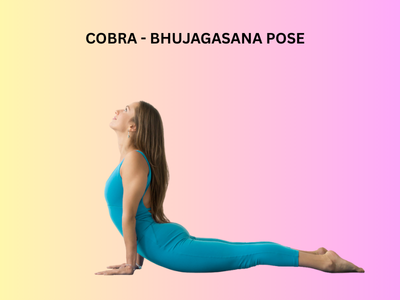
2. Bhujangasana (Cobra Pose):
Steps:
- Lie on your stomach with legs stretched out.
- Place palms under your shoulders.
- Inhale and slowly lift your chest off the ground.
- Keep elbows close to the body.
- Hold for 20–30 seconds and release.
Benefits:
- Stimulates abdominal organs and improves digestion.
- Boosts fertility and hormonal balance.
- Relieves back pain and menstrual discomfort.
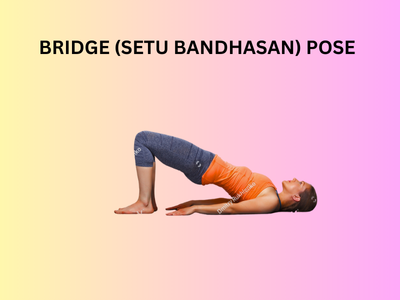
3. Setu Bandhasana (Bridge Pose):
Steps:
- Lie on your back with knees bent and feet flat.
- Place arms beside the body with palms facing down.
- Inhale and lift your hips upward.
- Hold for 30 seconds, then slowly release.
Benefits:
- Balances thyroid function, which plays a role in PCOS.
- Strengthens pelvic muscles and uterus.
- Reduces anxiety and calms the mind.
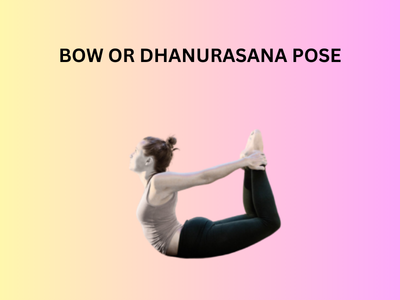
4. Dhanurasana (Bow Pose):
Steps:
- Lie on your stomach and bend your knees.
- Hold your ankles with your hands.
- Inhale and lift your chest and legs upward, pulling your body into a bow shape.
- Hold for 15–20 seconds.
Benefits:
- Improves digestion and metabolism.
- Stimulates reproductive organs.
- Releases tension from the back and abdomen.
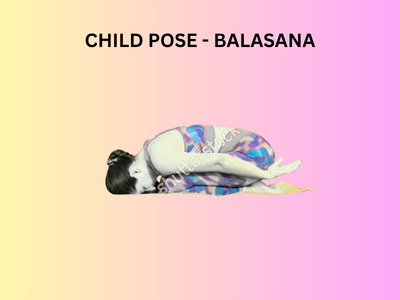
5. Balasana (Child’s Pose):
Steps:
- Kneel on the mat and sit on your heels.
- Bend forward, stretching arms in front or sideways.
- Rest your forehead on the mat.
- Breathe deeply for 1–3 minutes.
Benefits:
- Calms the mind and relieves stress.
- Eases lower back and pelvic pain.
- Improves emotional stability.
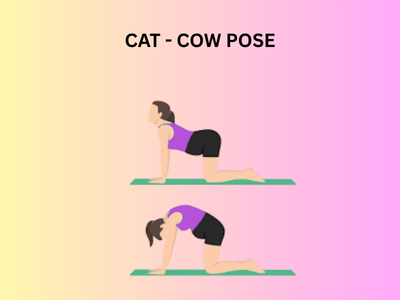
6. Marjariasana-Bitilasana (Cat-Cow Stretch):
Steps:
- Start on all fours with hands under shoulders and knees under hips.
- Inhale and lift your head while arching your back (Cow Pose).
- Exhale and tuck chin to chest while rounding spine (Cat Pose).
- Repeat for 10–12 rounds.
Benefits:
- Increases flexibility of the spine.
- Massages reproductive organs.
- Improves blood circulation in the pelvic area.
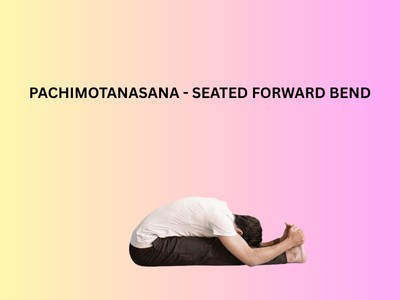
7. Paschimottanasana (Seated Forward Bend):
Steps:
- Sit with legs stretched forward.
- Inhale and raise arms overhead.
- Exhale and bend forward, reaching toward your feet.
- Hold for 20–30 seconds.
Benefits:
- Stimulates ovaries and uterus.
- Reduces stress and calms the nervous system.
- Helps with menstrual irregularities.
Best Pranayama for PCOS and Hormonal Imbalance:
Breathing practices are essential in balancing hormones and reducing stress with yoga for PCOS. Here are the most effective ones:
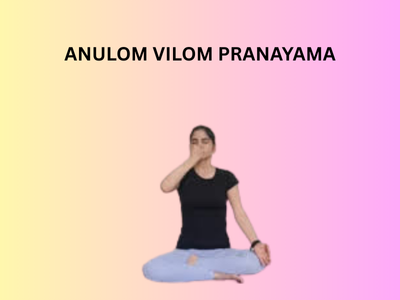
1. Anulom Vilom Pranayama (Alternate Nostril Breathing):
- Sit comfortably with a straight spine.
- Close right nostril with thumb, inhale through left.
- Close left nostril, exhale through right.
- Repeat for 5–7 minutes.
Benefits: Balances hormones, improves concentration and calms stress.
2. Bhramari Pranayama (Bee Breath):
- Sit in a relaxed position.
- Close eyes with fingers, inhale deeply.
- Exhale while making a humming “mmm” sound.
- Continue for 7–10 rounds.

Benefits: Reduces anxiety, improves hormonal health and relaxes the mind.
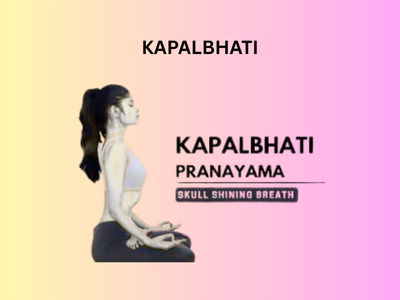
3. Kapalbhati Pranayama (Skull-Shining Breath):
- Sit with spine straight.
- Inhale deeply, exhale forcefully through the nose while pulling abdomen in.
- Do 30–40 strokes, then rest.
Benefits: Improves metabolism, burns fat and balances insulin levels.
4. Sheetali & Sheetkari (Cooling Breath):
- Curl tongue (Sheetali) or keep teeth together and inhale (Sheetkari).
- Exhale slowly through the nose.
- Repeat 5–10 times.

Benefits: Calms the nervous system, balances heat in the body and helps with mood swings.
Easy Lifestyle Tips for PCOS Management:
- Eat a balanced diet rich in whole grains, fresh vegetables, and lean proteins.
- Avoid excessive sugar, processed foods, and junk meals.
- Practice daily walking, yoga, or light workouts for at least 30 minutes.
- Maintain regular sleep patterns to balance hormones.
- Reduce stress with Meditation, journaling, or deep breathing.
Real-Life Testimonials:
💬 Ritika, 27: – “I struggled with irregular periods for years. After three months of practicing yoga for PCOS and hormonal imbalance, my cycle became regular without medicines.”
💬 Sneha, 31: – “I gained a lot of weight due to PCOS. With yoga poses and Kapalbhati pranayama, I lost 7 kgs in six months naturally.”
💬 Meera, 29: – “Doctors said conceiving would be hard for me. But with consistent yoga, pranayama, and lifestyle changes, I became a mother last year.”
Frequently Asked Questions:
Q1: Can yoga completely cure PCOS?
Yoga cannot fully cure PCOS, but it significantly reduces symptoms and helps manage hormonal imbalance naturally.
Q2: How long should I practice yoga daily for PCOS?
Around 30–45 minutes of yoga combined with 10–15 minutes of pranayama daily is highly effective.
Q3: Which pranayama is best for PCOS?
Anulom Vilom and Kapalbhati are considered the most beneficial.
Q4: Is yoga safe during periods for PCOS women?
Yes, but avoid strenuous poses. Gentle stretches and pranayama can provide relief.
🌸 Conclusion: Heal Your Body, Balance Your Hormones, Live Free with Yoga for PCOS!
Living with PCOS doesn’t have to mean endless frustration. With Yoga for PCOS and Hormonal Imbalance, you are giving your body the natural tools to heal, balance, and restore energy. Each pose and breath brings you closer to regulating your cycle, improving fertility, and regaining self-confidence.
Remember, healing takes consistency, patience, and love for your own body. Pairing yoga with lifestyle changes can transform your journey with PCOS from a daily struggle to a story of empowerment
✨ If you’re ready to take your healing journey to the next level, here are some recommended tools and products on Amazon to make your yoga for PCOS practice more effective.
🛍️ Recommendations: Tools to Support Your Yoga for PCOS Journey!
Sometimes, the right tools can keep you consistent and motivated. Here are some must-have products to enhance your Yoga for PCOS practice:
| Product | Benefits |
| Eco-Friendly Yoga Mat | Provides comfort, grip, and stability during practice. |
| Herbal PCOS Supplement (Ayurvedic Blend) | Supports hormonal balance and menstrual health naturally. |
| Meditation Cushion | Helps maintain proper posture during pranayama and meditation. |
| Fitness Tracker Watch | Monitors daily activity, heart rate, and calories to manage PCOS weight. |
| Essential Oils (Lavender, Peppermint) | Promotes relaxation, reduces anxiety, and balances mood. |
👉 These tools are not just products—they are companions in your journey toward balance, healing, and freedom from PCOS struggles.
DISCLAIMER: This article is for informative purpose only so always consult your health practitioner and certified yoga trainer before starting any routine.